
For a lot of people, the morning starts as the rich, inviting aroma of coffee flowing in the kitchen. This beloved beverage not only energizes our days but also sparks fascinating conversations about its chemistry. From seed to sip, coffee is a rich mosaic of tastes and molecules that awaken our taste buds. Understanding the mechanics behind your morning cup can enhance your love for this worldwide favorite and its varied types.
In this coffee blog, we will delve into the intriguing composition of coffee, analyzing topics including the roasting to brewing styles. With the most recent coffee news and developments, we’ll look into how different aspects influence the quality, aroma, and even wellness aspects of your brew. It doesn't matter if you're a experienced barista or merely a coffee enthusiast, this journey will give understandings that elevate your coffee experience and elevate your coffee moment. Accompany us as we begin this scented journey through the art of coffee.
The Chemistry of Coffee Compounds
The aromatic and inviting aroma of coffee is the result of a intricate blend of volatile compounds that are emitted during brewing. Among the most critical compounds are caffeinatic, chlorogenic acids, fats, and sugars. Caffeine, a natural stimulant, is known for its ability to enhance alertness and disposition. Chlorogenic acids, on the other hand, are free radical-neutralizing compounds that contribute to the singular flavor profile and are thought to provide various health benefits. Together, these compounds create the quintessential experience of enjoying a early brew.
In the course of the toasting process, the browning reaction plays a crucial role in developing the taste of coffee. This reactive reaction occurs when molecules and saccharides interact under high temperatures, resulting in the formation of new flavor compounds. As coffee beans are roasted, they undergo sophisticated transformations that produce numerous of different aroma and taste factors. This process is what gives each type of coffee its characteristic characteristics, influencing everything from sugariness to sourness. Comprehending the Maillard reaction helps us appreciate why varied roasting levels can markedly change the character of our preferred coffee.
Additionally, the brewing method significantly affects the extraction of these compounds. Factors such as the warmth of the water, brew time, and coarseness influence how flavors are laundered from the coffee grounds. For instance, a French press might release oils and flavors in a different way than a drip brew or an espresso maker. Each method can highlight various notes such as tanginess or rich nuttiness, making the science of brewing an essential topic for any coffee writing enthusiast. Exploring these interactions reveals not just the craft of brewing but also the scientific principles behind what makes each serving of coffee so special.
Brewing Methods and Their Effects
The way coffee is brewed can greatly influence its flavors and aroma. Every brewing method draws out distinct compounds present in the coffee grounds, culminating in unique tasting notes and overall experiences. For example, methods such as espresso and French press emphasize the richness and body of the coffee, while pour-over styles highlight clarity and brightness. website means that coffee enthusiasts can explore different flavors based on their chosen brewing style, making it a vital aspect of coffee culture.
Additionally, the temperature and time of extraction play important roles in dictating the final outcome of the brew. Higher temperatures often extract more oils and acids, causing a bolder taste, whereas lower temperatures tend to yield a smoother cup. In addition to temperature, the grind size of the coffee is just as important; more finely ground grinds increase extraction speed, which can result in a stronger flavor if managed correctly. Understanding these variables allows coffee lovers to tailor their brewing techniques to align with their personal preferences.
Lastly, the water-to-coffee ratio is a key element that influences the strength and general quality of the brew. A higher ratio of coffee to water generally creates a concentrated and intense flavor, while a lower ratio results in a milder cup. Different brewing methods may require specific ratios for optimal results; such as, a traditional Turkish coffee may need a stronger blend compared to a cold brew. Getting accustomed with these subtleties not only does it enhance the home brewing experience but also nurtures a deeper appreciation for the intricate science behind every cup of coffee.
Advantages of Coffee Drinking
This beverage is not only your morning routine; it is packed with several health benefits that can improve your general wellness. Research has demonstrated that reasonable coffee consumption is connected to a decreased risk of multiple chronic diseases, including type 2 diabetes, cardiovascular disease, and specific forms of cancer. The antioxidants in coffee, such as chlorogenic acid, play a crucial role in defending cells from damage and encouraging better health outcomes.
Moreover, coffee can enhance your cognitive function and enhance mood, thanks in part to its caffeine content. Studies show that caffeine can boost alertness, concentration, and even short-term memory. In addition to its stimulating effects, coffee may help diminish the risk of neurodegenerative diseases like Alzheimer's and Parkinson's, making it a valuable beverage for brain health as we age.
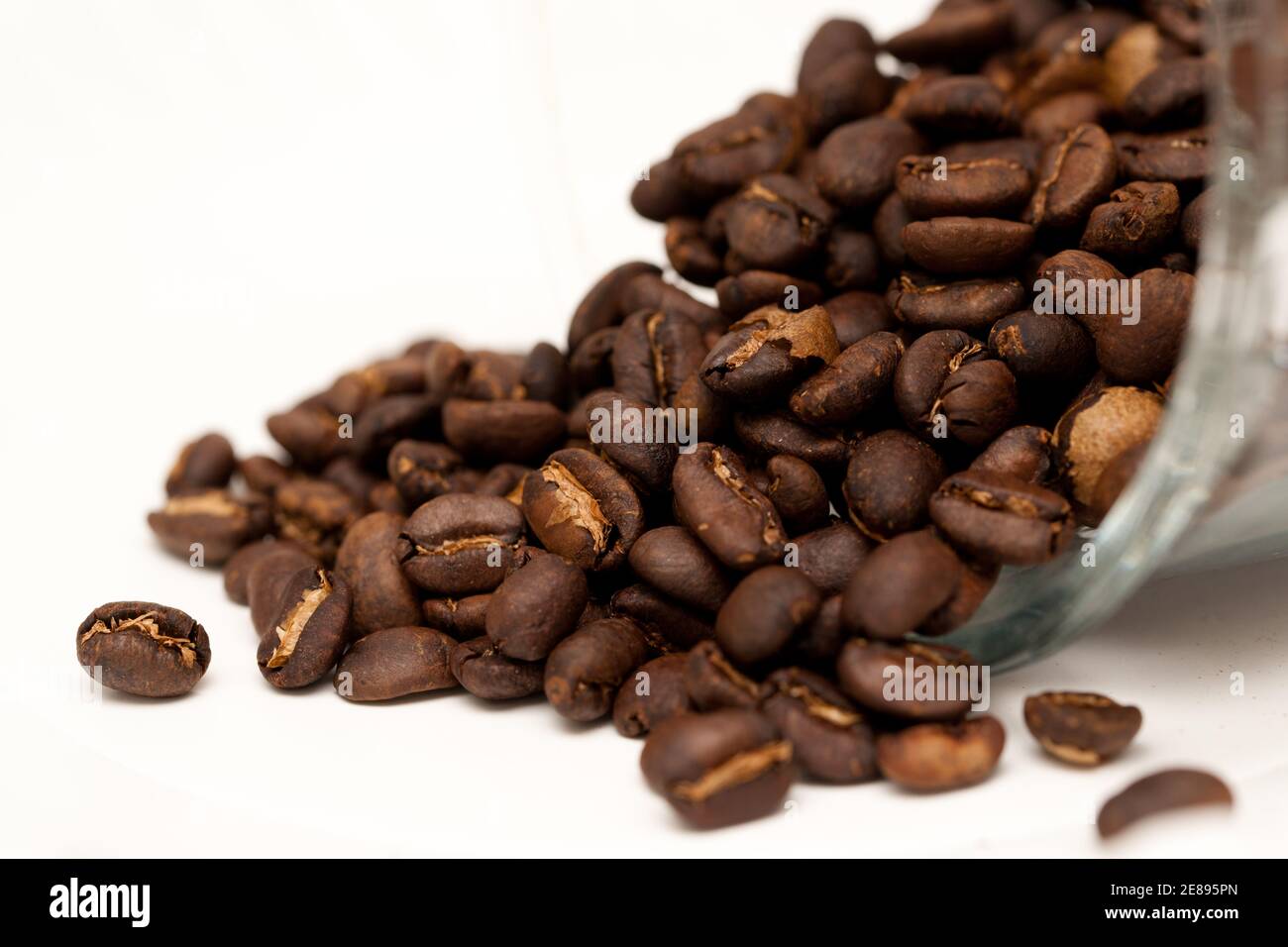
Finally, the health benefits of coffee go beyond physical health; it can also improve social well-being. Enjoying a cup of coffee can be a delightful experience shared among friends, which helps to create connections and reduce stress. With its deep history and cultural significance, coffee remains a crucial aspect of everyday life, making it more than a beverage, but an important part of everyday life.